Choosing Fair Trade Flowers with Care
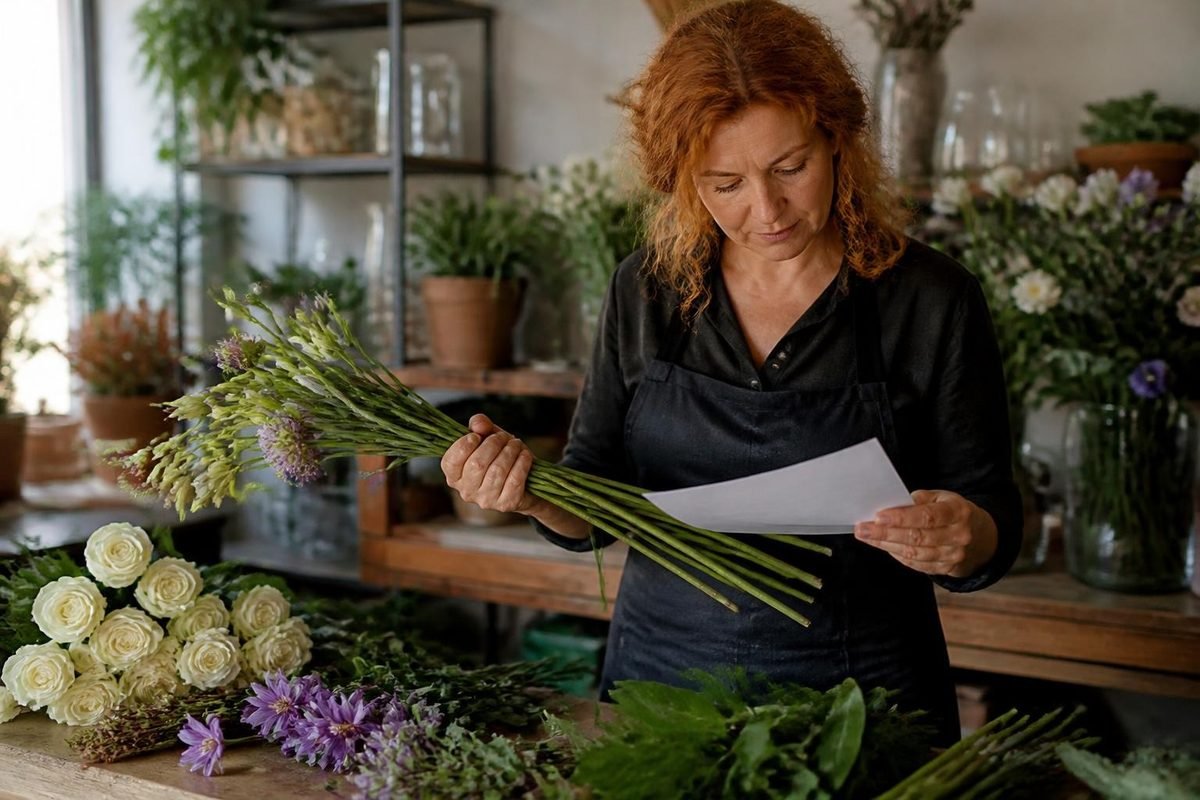
Florists choosing fair trade flowers should check certification, worker protections, supply-chain records and environmental practices instead of relying on a supplier’s assurances. They also need to confirm that the flowers are available and good enough for the job, so responsible buying works for growers and customers alike.
Check what the certification means
There is no single fair trade rulebook for flowers. Each program sets its own requirements, so find out which certification applies and review the program’s current standards. A reliable supplier should name the certified farm or supply chain and provide documents that you can verify with the certifier.
Look closely at the issues the standard covers. Some programs set requirements for wages, worker representation, health and safety, and a premium meant to benefit workers or their communities. Do not assume that certification means every worker earns the same wage or that all certified farms follow identical environmental rules.
Check exactly what a certificate applies to. A wholesaler might carry conventional flowers as well as certified ones, so the certificate does not prove that every stem in an order is covered. Ask how certified flowers are marked on invoices and tracked as they move through the supply chain.
Find out how workers are treated
Because flowers spoil quickly, harvest and packing deadlines may put workers under pressure. Ask what farms do to limit pesticide exposure, train workers and respond to complaints. If the program includes a worker premium, find out how the money is managed and how workers help decide how it is spent.
A supplier may need time to get answers, but should be ready to follow up. Concrete replies and records are more useful than general claims about good treatment. Keep checking over time, since working conditions and certification status may change. Regular conversations help keep your purchasing decisions informed.
Weigh availability, quality and environmental effects
Ask which flower varieties are offered, where they come from and how dependable supply is. For weddings and repeat orders, clarify seasonal shortages, delivery timing and the supplier’s substitution policy. Before placing a large event order with a new source, try a small one and assess freshness, how the flowers open and how long they last in a vase.
Fair trade certification and environmental performance are separate matters, even if they overlap. Ask about water use, pesticide control, packaging and transport, then check which of these practices the certification actually addresses. Nearby flowers are not automatically the lower-impact choice, and imported certified flowers are not automatically the higher-impact choice. If the available information cannot be compared, do not make a firm claim.
Questions to settle before you order
How can I check the certificate?
Get the program’s name and the certificate details, then ask the certifier to confirm that the certificate is valid and what it covers.
Does certification cover these flowers?
Make sure the varieties and amounts you plan to order are included, and that the paperwork identifies them as certified.
What if the supplier cannot fill the order?
Set substitution terms before ordering. Decide whether replacement flowers also need to meet the same certification.
What is accurate to tell customers?
Share only statements backed by certification details and supplier records. Explain what the label covers, without presenting it as proof that conditions are perfect.
Keep reading: how to send a surprise gift